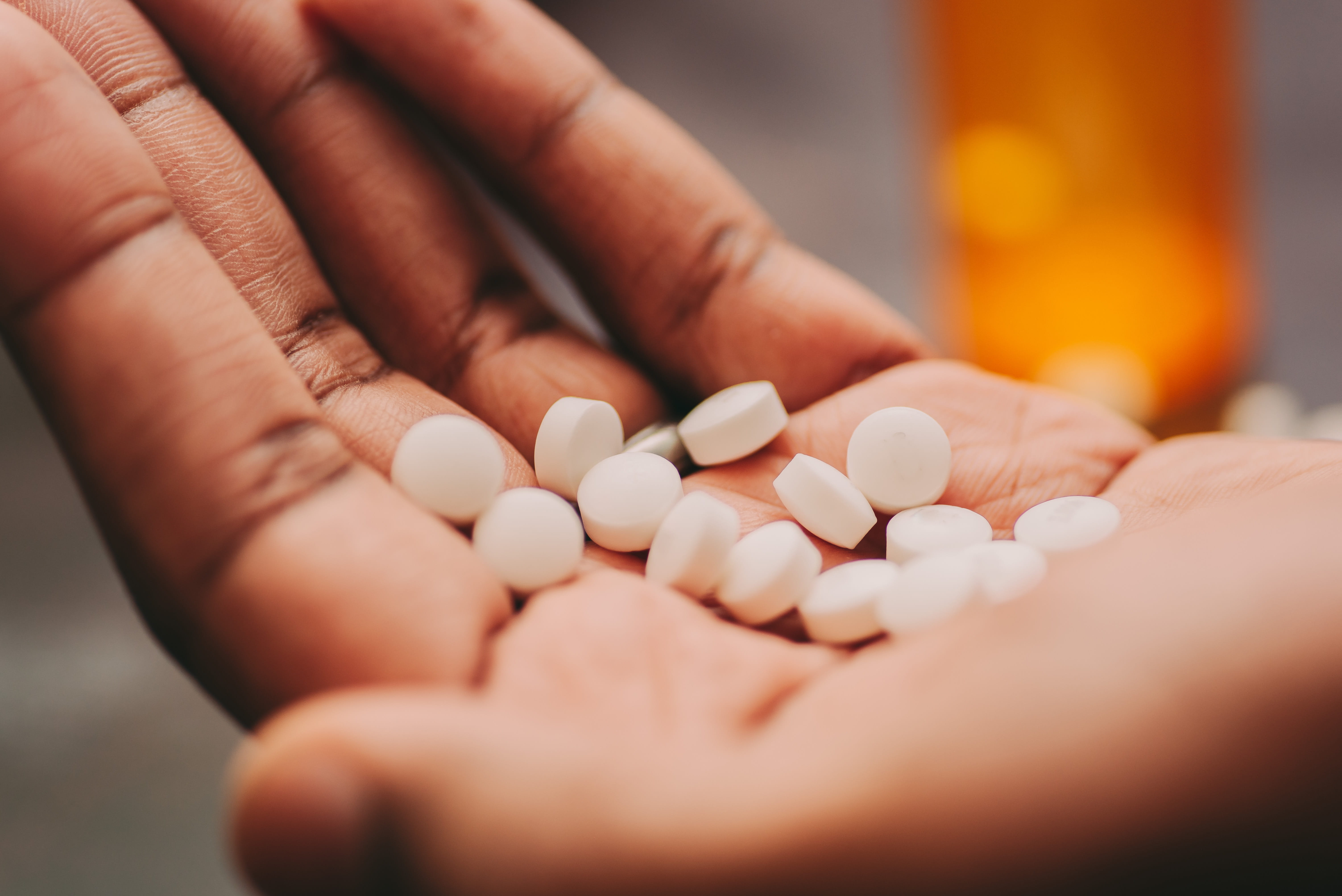
A Complete Guide to Purchasing Pain Relievers in France
Pain can strike at any time, whether you're a citizen of France or a visitor checking out the streets of Paris. Comprehending how to browse the French healthcare system and pharmaceutical landscape can save you time, money, and unneeded pain. France boasts a well-organized health care system with highly available pharmacies, however the rules and procedures for getting pain relief differ substantially from those in many other countries. This extensive guide will stroll you through whatever you need to learn about acquiring painkiller in France, from over the counter choices to prescription medications, and assist you understand the nuances of the French pharmacy system.
The French Pharmacy System: Your Gateway to Pain Relief
Unlike some nations where pain reducers are offered in supermarkets or corner store, France keeps an unique pharmacy-centric approach to medication circulation. Drug stores in France, determined by their unique green cross lit up outside, work as the main point of access for essentially all medications, including pain reducers. This system makes sure that a qualified pharmacist is constantly offered to encourage clients on medication choice, appropriate dose, and prospective interactions.
French pharmacists play a more active role in healthcare than their equivalents in many other countries. When you get in a French drug store seeking pain relief, the pharmacist or pharmacy assistant will typically ask you concerns about your symptoms, the nature of your pain, and any other medications you might be taking. This assessment is developed to guarantee you receive the most suitable medication for your requirements. Do not be amazed if the pharmacist recommends a specific brand or solution based upon your description-- this tailored service is a hallmark of the French pharmaceutical experience.
Pharmacies in France run on a rotating schedule that ensures at least one drug store remains open in every location at all times, including Sundays, holidays, and night hours. Each pharmacy takes turns being the "pharmacie de garde" (on-duty drug store) for its location. If you need pain relief outside typical organization hours, you can identify the nearby open pharmacy by checking local listings, calling emergency services, or taking a look at notifications posted on nearby drug store doors.
Over-the-Counter Pain Relievers in France
For minor to moderate pain, France uses a vast array of non-prescription pain reducers that you can purchase straight from any pharmacy without a prescription. These medications fall under numerous classifications, each targeting various kinds of pain and offering unique advantages.
The most typical over-the-counter painkiller fall under the classification of non-opioid analgesics. These consist of medications consisting of paracetamol (understood as "paracétamol" in France), ibuprofen, aspirin, and naproxen. Paracetamol, offered under brand like Doliprane, Dafalgan, and Efferalgan, is particularly popular in France and serves as the first-line treatment for mild to moderate pain and fever. It is usually well-tolerated by the majority of individuals and can be used by pregnant women under pharmacist guidance, making it a versatile alternative for lots of homes.
Non-steroidal anti-inflammatory drugs (NSAIDs) like ibuprofen (Advil, Nurofen) and naproxen are likewise easily offered without prescription in French drug stores. These medications are especially efficient for pain related to inflammation, such as joint pain, muscle aches, and menstrual cramps. Nevertheless, pharmacists generally encourage consumers about the value of taking NSAIDs with food to lessen stomach irritation and about the prospective interactions with other medications, particularly blood thinners and specific high blood pressure medications.
| Painkiller Type | Typical French Brands | Typical Uses | Key Considerations |
|---|---|---|---|
| Paracetamol | Doliprane, Dafalgan, Efferalgan | Headaches, fever, basic pain | Usually safe; avoid excessive alcohol intake |
| Ibuprofen | Advil, Nurofen, Spedifen | Swelling, menstrual cramps, muscle pain | Take with food; avoid if you have stomach issues |
| Aspirine | Aspro, Catalgine | Moderate pain, fever, anti-platelet results | Not for children with viral infections; blood-thinning impacts |
| Naproxen | Aleve, Antalnox | Joint pain, pain in the back, arthritis | Longer-lasting result; take with food |
Prescription Pain Relievers: When Stronger Relief is Needed
For more extreme pain, French doctors can prescribe opioid-based pain relievers and other stronger medications. These prescription-only alternatives include tramadol, codeine (frequently combined with paracetamol as in Efferalgan Codeine), morphine derivatives, and gabapentinoids for neuropathic pain. The process for obtaining these medications involves an assessment with a French physician who will evaluate your condition and determine the suitable treatment strategy.
France takes a careful method to opioid prescribing, reflecting global issues about dependency and dependence. Physicians generally begin with the least expensive effective dose and may need follow-up visits to keep track of effectiveness and any negative effects. If you are visiting France and already use prescription pain medication in your home country, it's suggested to bring paperwork from your doctor describing your medical requirement for the medication, particularly for opioid treatments.
The prescription system in France uses standardized "ordonnances" that define the medication, dose, and duration of treatment. Pharmacides confirm prescriptions thoroughly and might call the prescribing doctor if there are any issues about dosage or possible interactions. This watchfulness helps make sure patient safety while keeping access to required pain management.
Comprehending Costs and Reimbursements
France's healthcare system supplies substantial coverage for prescription medications, consisting of lots of painkiller. The degree of reimbursement depends upon the medication's classification and your individual health care coverage. A lot of prescription painkiller are repaid at rates varying from 30% to 100%, depending upon their healing importance and the patient's scenarios.
For those with French social security protection (guarantee maladie), the compensation procedure is uncomplicated-- you just present your Carte Vitale (medical insurance card) at the pharmacy, and the suitable quantity is deducted from your payment. Visitors from EU countries can utilize their European Health Insurance Card (EHIC) or its follower, the Global Health Insurance Card (GHIC), to get similar coverage for required healthcare, including prescribed medications.
Tourists and visitors from outside the EU normally must pay the full cost for medications and seek compensation from their travel insurance coverage supplier later. Keeping your invoices and any medical documents is necessary for this process. Some travel insurance plan need pre-authorization for particular medications or have particular claim treatments, so examining your coverage before you require pain relief is recommended.
Some drug stores in major tourist locations and global zones also accept typically secondhand international charge card and might have staff who speak English, especially in airports, train stations, and hotels. Nevertheless, carrying some money is constantly sensible, as smaller neighborhood pharmacies may choose local payment approaches.
Practical Tips for Pain Relief Purchases in France
Browsing the French pharmacy system ends up being a lot easier when you comprehend a couple of crucial practices. First, do not think twice to explain your signs plainly to the pharmacist-- italians are typically helpful and can often suggest reliable over-the-counter alternatives that you may not find on the shelf yourself. Many pharmacies have private assessment areas where you can go over delicate health matters discreetly.
When traveling to France, bringing a supply of your routine painkiller is reasonable, especially if you have specific requirements or choices. Nevertheless, understand that medication brand names vary between countries, so knowing the generic names of your medications (the active ingredient names) will help pharmacists recognize comparable French products. For prescription medications, bring a copy of your prescription or a letter from your physician discussing your medical need can facilitate border crossings and drug store purchases.
Pharmacy hours differ, with a lot of opening around 8:30 or 9:00 AM and surrounding 7:00 or 8:00 PM on weekdays, with much shorter hours on Saturdays. In cities, you'll find numerous drug stores with extended hours, however in backwoods and smaller sized towns, preparing ahead is sensible. The "pharmacie de garde" system ensures 24-hour gain access to, though you might need to sound a bell or contact us to gain access to medication outside normal hours.
Frequently Asked Questions
Do I need a prescription for all painkiller in France?
No, many common painkiller are available over the counter. Paracetamol, ibuprofen, aspirin, and naproxen can all be acquired without prescription from any drug store. However, stronger medications including codeine, tramadol, or morphine require a valid prescription from a French doctor. If you're visiting from another EU nation, prescriptions from your home country medical professional may be accepted under particular conditions.
Can I purchase paracetamol or ibuprofen in French supermarkets?
No, unlike some European nations, France does not offer medications in grocery stores or corner store. All medications, including standard pain reducers, should be purchased from licensed drug stores. This system makes sure expert assistance is offered with every purchase and preserves quality assurance over pharmaceutical items.
What should I do if I require pain relief late at night or on a Sunday?
France maintains a pharmacy rotation system where at least one pharmacy per area remains open outside regular hours. These "drug stores de garde" can be found by checking regional listings, calling emergency services, or taking a look at postings on closed drug store doors. Note that on-duty drug stores might charge a little additional charge for late-night service.
Will my travel insurance cover pain medication purchases in France?
Many comprehensive travel insurance coverage cover required medical purchases, including recommended pain medications. Keep all invoices and obtain any required paperwork from the prescribing physician. It's finest to inspect your specific policy details before traveling and contact your insurance coverage provider if you require to make a claim.
Are French painkiller different from those in my home nation?
The active components in French painkiller are the very same as those discovered worldwide-- paracetamol, ibuprofen, naproxen, and aspirin equal everywhere. Nevertheless, brand name names vary, formulations may differ somewhat, and packaging directions will be in French. Knowing Medic France (active ingredient) names of medications you prefer will assist you identify equivalent French items.
Can pharmacists in France supply medical guidance?
Yes, French pharmacists are extremely trained health care specialists licensed to provide guidance on small conditions, recommend appropriate over-the-counter treatments, and assess whether your condition requires a doctor's go to. They can likewise offer basic health screenings and vaccinations in a lot of cases. Don't think twice to consult the pharmacist for assistance on pain management.
France's method to pain relief integrates availability with professional oversight, ensuring that residents and visitors alike can obtain proper treatment for their pain. By understanding how the pharmacy system works and knowing what alternatives are offered, you can resolve your pain effectively while navigating the French healthcare landscape with confidence.